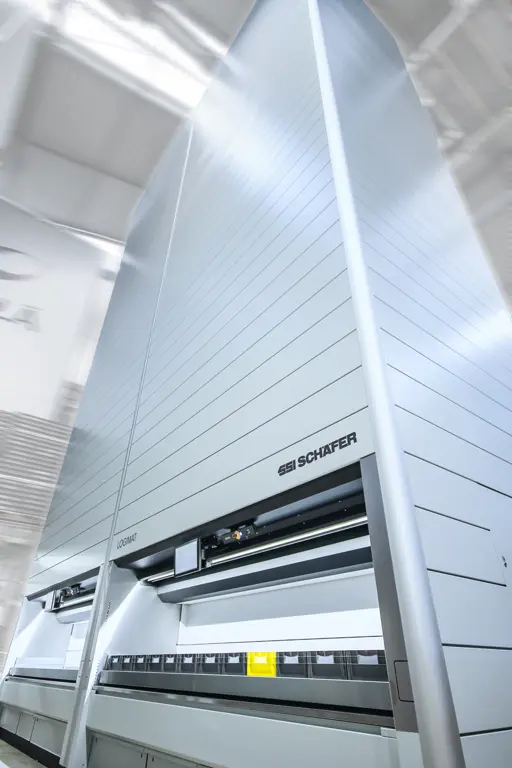
Vertical Lift Module (VLM) Overview
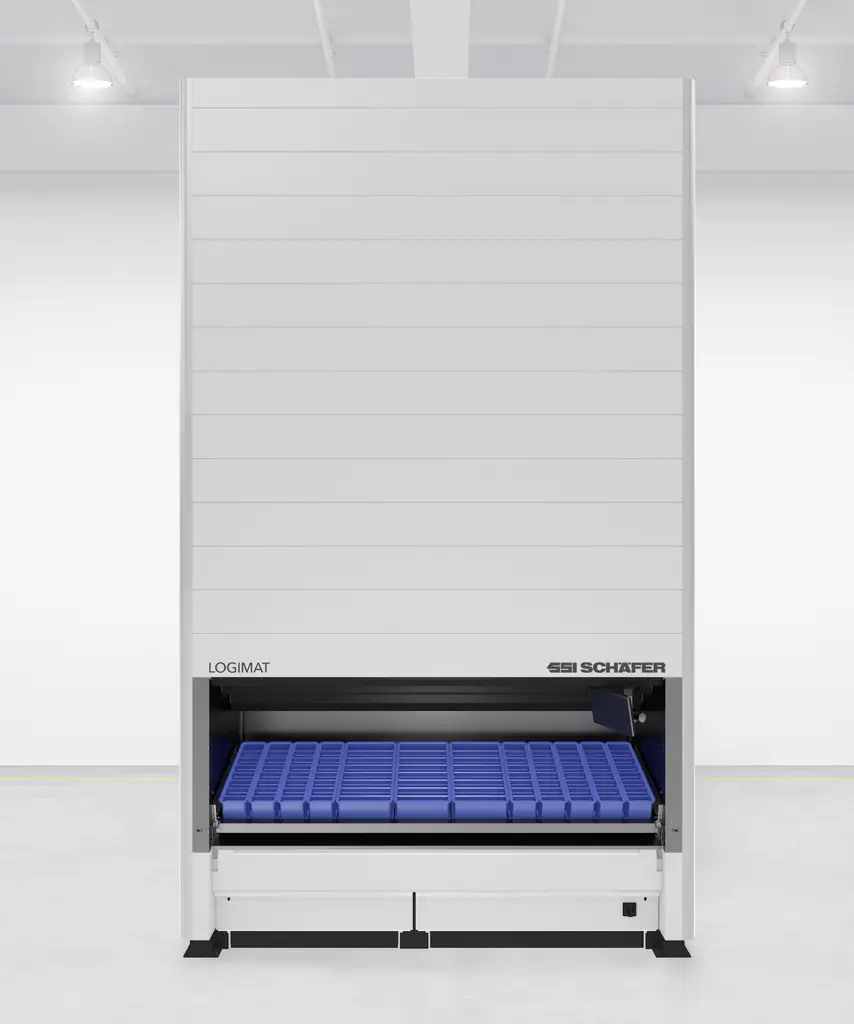
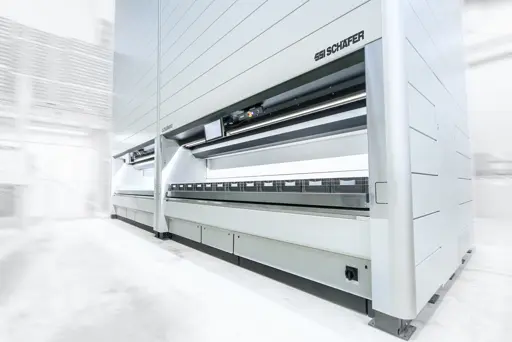
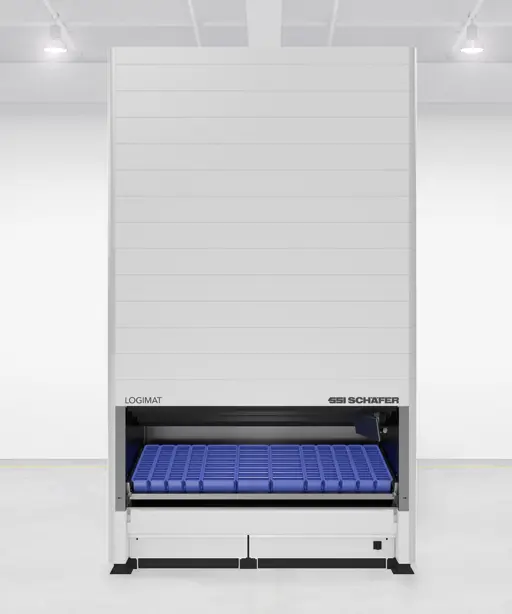
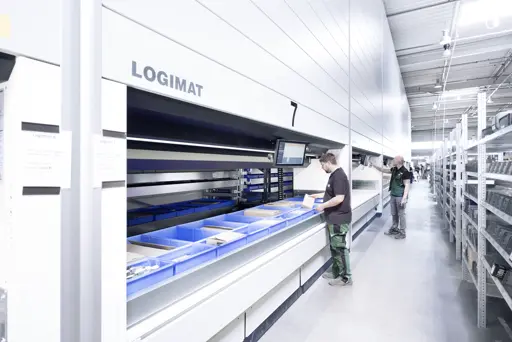
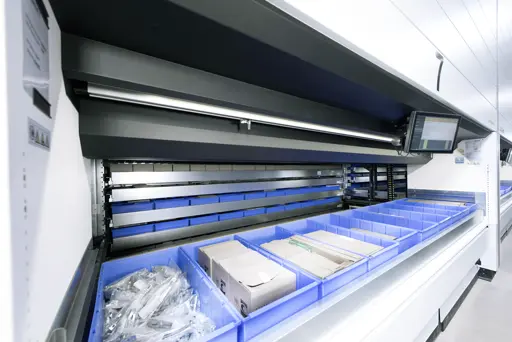
A vertical lift module (VLM) is an automated storage and retrieval system that stores goods in trays inside a tall, enclosed column, using the full height of a building rather than its floor space. The system works like an oversized drawer cabinet: two rows of trays sit on either side of a central lift, and an inserter/extractor mechanism travels up and down to pull the requested tray and deliver it to an ergonomic pick window at operator height. Because everything is stored vertically in a sealed unit, a VLM can recover a large share of the floor area that conventional shelving consumes, while also protecting inventory from dust, damage, and unauthorized access.
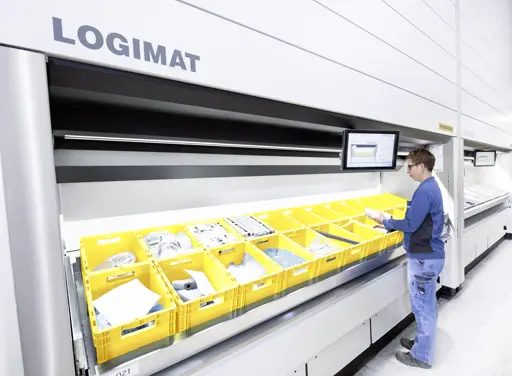
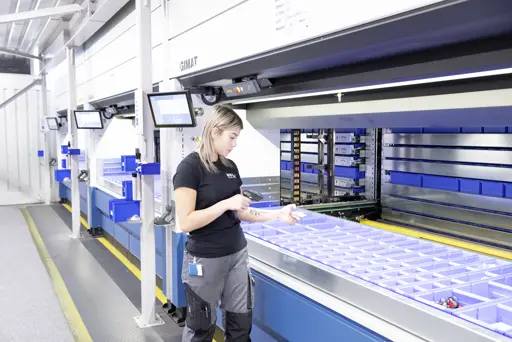
In an order fulfillment operation, a VLM runs on the goods-to-person principle — instead of pickers walking the aisles to reach stock, the system brings the right tray to a stationary operator. This eliminates travel time, which is typically the single largest drain on manual picking productivity, and lets one workstation manage a high volume of SKUs in a small footprint. VLMs are well suited to small and medium parts: spare parts, e-commerce inventory, tools, electronics, and similar items that benefit from dense, organized storage. Many systems support batch picking across multiple orders at once and use position-indication aids like lights or laser pointers to guide the operator to the exact location on the tray, which raises throughput and reduces picking errors.
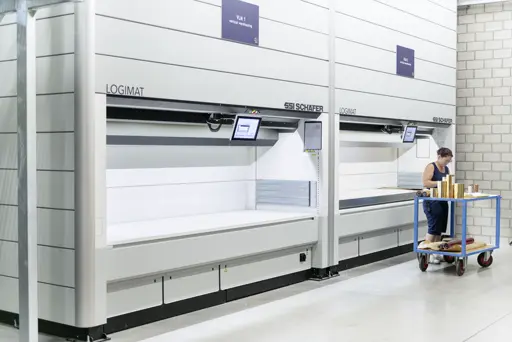
Within a broader warehouse, VLMs rarely operate in isolation. They connect to a warehouse management system or ERP so that inventory, locations, and order data stay synchronized in real time, giving full traceability of every movement. Units can be deployed individually as a standalone storage zone, grouped in banks served by a single operator, or integrated with conveyor and AGV systems that carry completed picks downstream to packing and shipping. Used this way, a VLM becomes a fast, accurate fulfillment cell that compresses storage, improves ergonomics, and feeds the rest of the operation — making it a practical entry point for warehouses taking their first steps toward automation.