Warehouse Automation & System Integration
Reduce labor costs, increase throughput, and ship more orders accurately — with a system designed and installed by SJF.
Automation Solutions
Full-Service Warehouse Automation — Design, Engineering, and Installation Under One Roof
SJF Material Handling is a third-generation family business with over 40 years of experience designing and installing warehouse automation systems across the United States. We work with e-commerce fulfillment centers, third-party logistics providers, food and beverage distributors, and retail warehouses — and we've completed thousands of projects from single-system upgrades to ground-up facility builds. When you work with SJF, you're not buying equipment from a catalog. You're getting a partner who understands how conveyors, sortation, storage, and fulfillment systems need to work together.
Most automation integrators are tied to one or two manufacturers. SJF isn't. We're brand agnostic — which means we recommend the system that fits your operation, your throughput requirements, and your budget, not the system we're incentivized to sell. That independence matters when you're making a capital investment that will shape how your facility operates for the next decade or more.
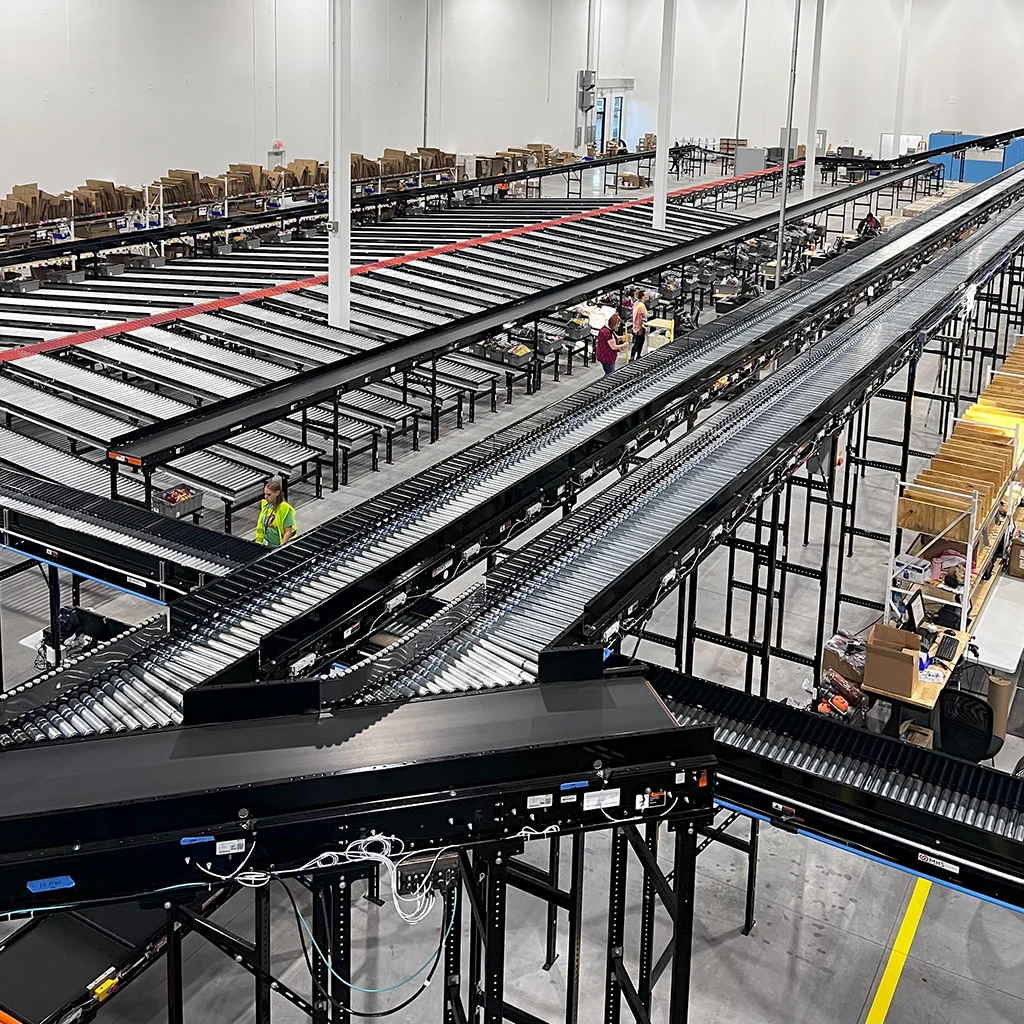
Every automation project SJF takes on follows the same full-service process — from initial facility assessment through engineering and permitting, installation, and commissioning. Our in-house engineers produce stamped drawings and manage ANSI/RMI compliance so you're not coordinating between multiple vendors or chasing down documentation. One point of contact, one accountable team, from first conversation to final walkthrough.
How an SJF Automation Project Works
1. Facility Assessment
We start by understanding your operation — throughput volumes, SKU mix, labor constraints, and growth plans. This isn't a sales call. It's a working session where we identify what's limiting your current system and what a better one looks like.
2. System Design
Our engineers design a system around your specific requirements — selecting equipment, mapping material flow, and identifying integration points with your existing warehouse layout and WMS or ERP. Every design is built for your facility, not adapted from a template.
3. Engineering & Permitting
SJF produces stamped engineering drawings and manages the permitting process from submission to approval. We handle ANSI/RMI compliance documentation so you're not coordinating between your contractor, your landlord, and a third-party engineer.
4. Supply & Installation
We source and supply all equipment — new or quality-inspected used — and manage the full installation process on your behalf. SJF coordinates all crews and contractors so you have a single point of accountability, without having to manage multiple vendors on your floor.
5. Commissioning & Support
Once your system is live, SJF provides commissioning support and remains available for ongoing maintenance, repair, and system expansion. The relationship doesn't end at installation.
Warehouse Automation Solutions
Conveyor Systems
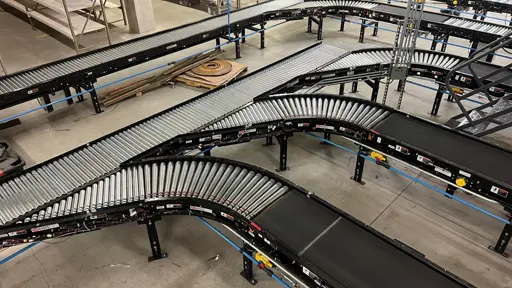
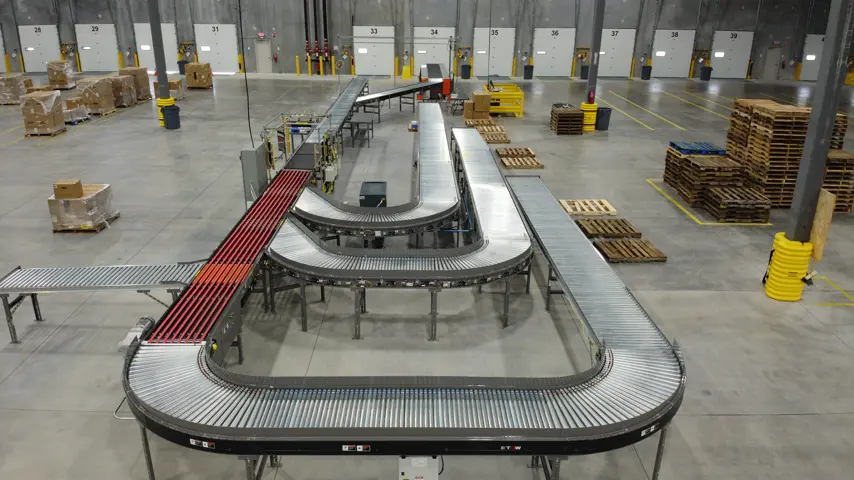
Conveyor systems form the backbone of most warehouse automation projects — moving product reliably from receiving through shipping with minimal labor. SJF designs and integrates conveyor solutions for facilities of all sizes, from single-line transportation systems to complex multi-zone networks.
Explore Conveyor Systems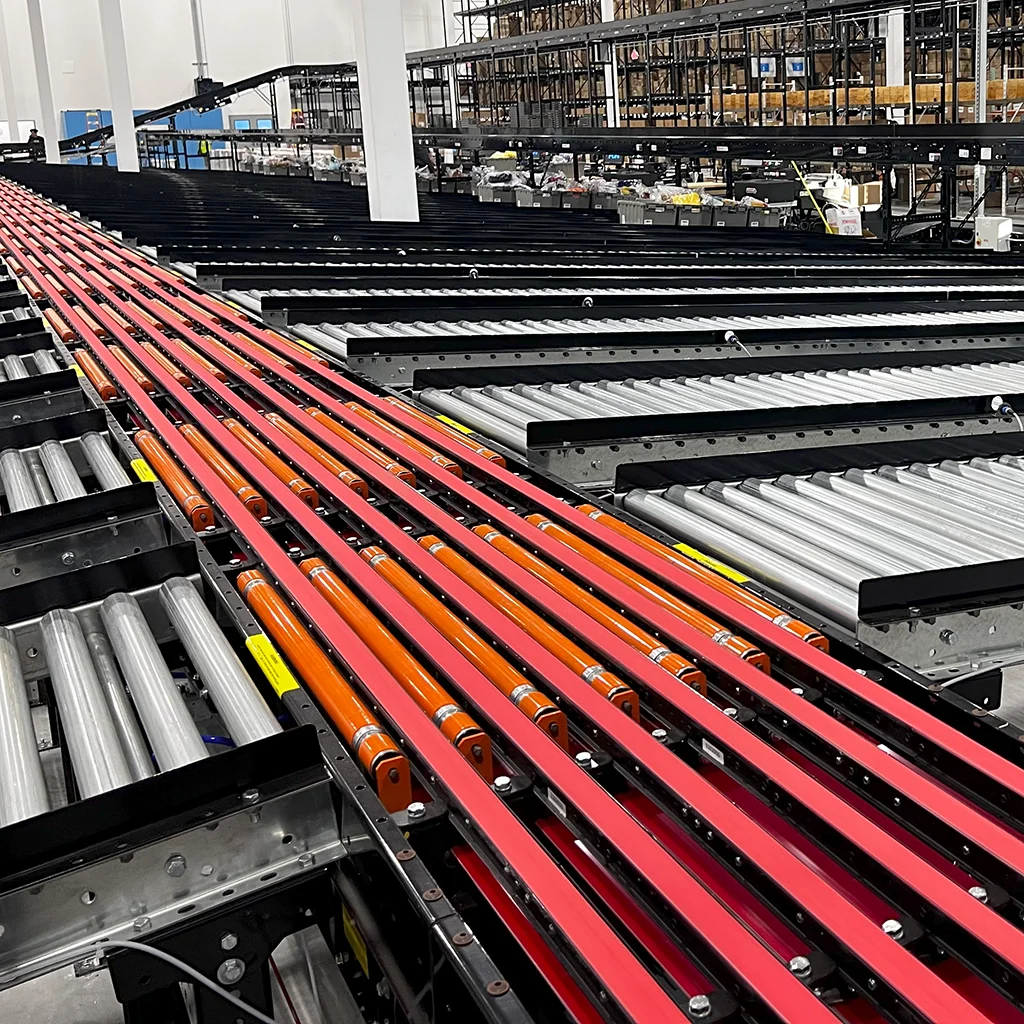
Sortation Systems
Sortation systems automate the routing of product to the right destination — reducing mis-sorts, increasing throughput, and removing the manual scanning and decision-making that slows fulfillment operations down. SJF integrates multiple sortation technologies matched to your product type, speed requirements, and facility layout.
Explore Sortation Systems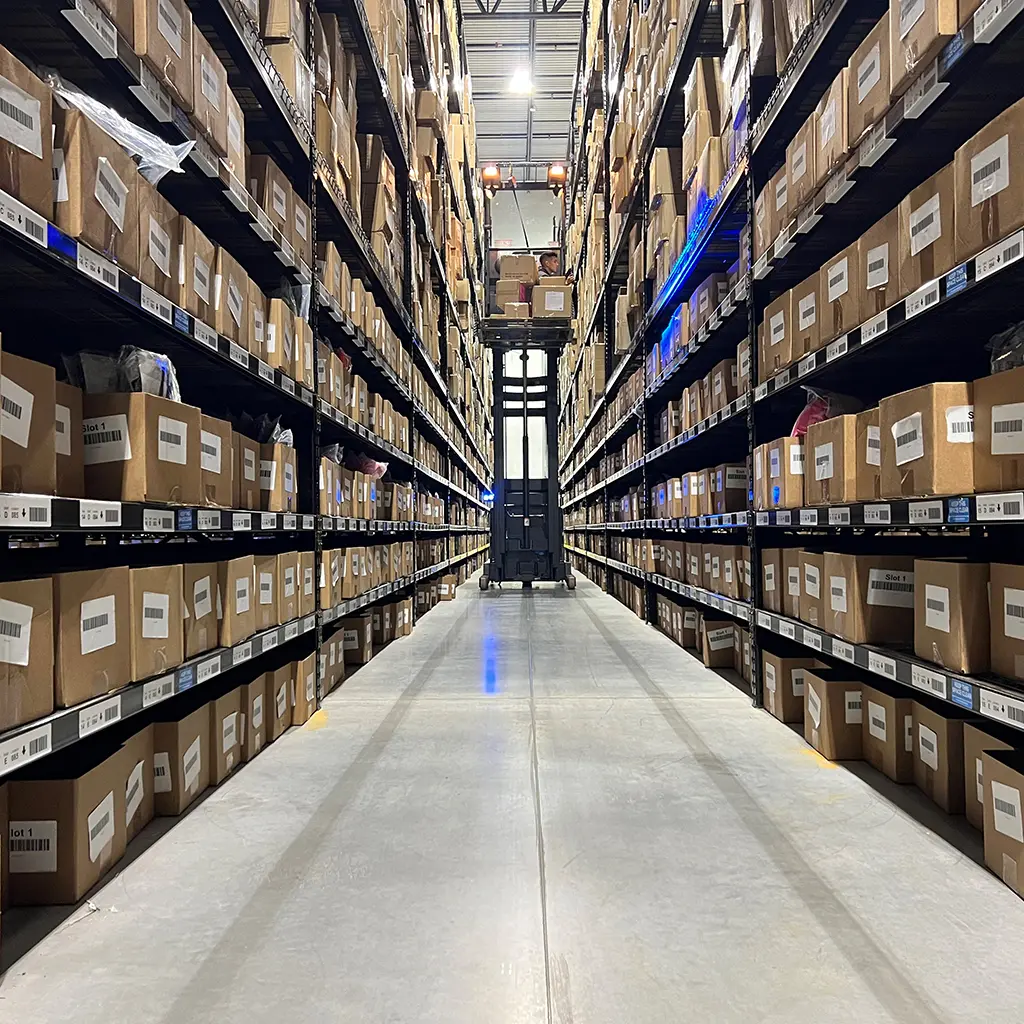
Storage Solutions
The right storage system puts inventory where it needs to be — accessible, organized, and optimized for how your operation actually picks and replenishes. SJF designs storage solutions ranging from high-density pallet rack configurations to automated pallet shuttle and VNA systems for facilities with demanding throughput requirements.
Explore Storage Solutions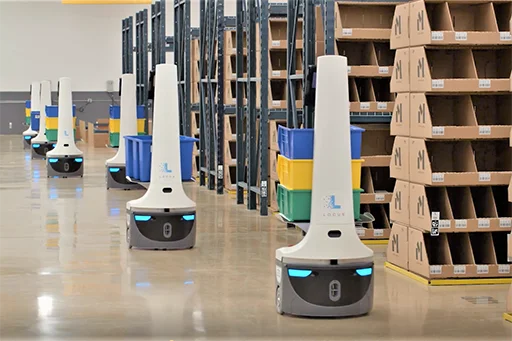
Order Fulfillment
Order fulfillment automation reduces the cost and error rate of picking, packing, and shipping — whether you're running goods-to-person robotics, pick modules, or collaborative robot systems. SJF evaluates your order profile and volume to recommend the fulfillment technology that delivers the fastest return on investment for your operation.
Explore Order FulfillmentFeatured Projects & Case Studies
Browse Case Studies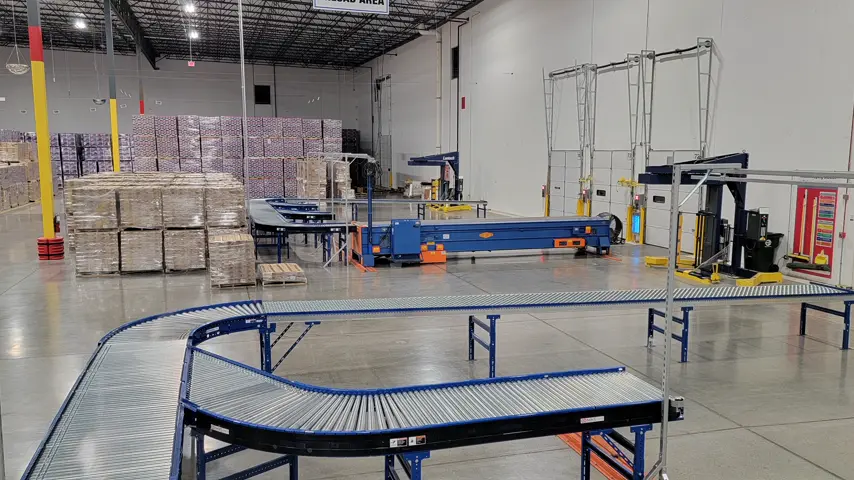
Frequently Asked Questions
-
What does warehouse automation cost?
Warehouse automation projects vary significantly depending on scope, system type, and facility size. A targeted conveyor or sortation upgrade might start in the low six figures, while a full facility integration with storage, sortation, and fulfillment automation can run into the millions. SJF works with clients across both ends of that range — the best way to get an accurate number is to start with a facility assessment so we understand your specific requirements before quoting anything.
-
How long does an automation project take?
Most automation projects run between three and nine months from initial assessment to commissioning, depending on system complexity, equipment lead times, and permitting requirements. Simpler conveyor installations can move faster. Large multi-system integrations — particularly those involving new construction or significant structural work — take longer. SJF builds a project timeline during the design phase so you know what to expect before work begins.
-
Do I need to shut down my warehouse during installation?
Not necessarily. SJF plans installations around your operational requirements — phased builds, off-hours work, and section-by-section cutover are all approaches we've used to keep facilities running during a project. The right approach depends on your layout and how much of the facility the new system affects. We discuss operational continuity during the design phase, not after the project starts.
-
What's the ROI on warehouse automation?
ROI on warehouse automation typically comes from three sources: reduced labor costs, increased throughput, and improved order accuracy. Most operations see meaningful payback within two to five years, though high-volume facilities with significant labor costs often see faster returns. SJF helps clients model expected ROI during the design phase using your actual volume, labor rate, and error cost data — so the number is grounded in your operation, not an industry average.
-
Can automation integrate with my existing WMS or ERP?
Yes — most modern automation equipment is designed to integrate with warehouse management and ERP systems, and SJF accounts for those integration points during system design. We work with your IT team and software vendors to map data flows and confirm compatibility before equipment is specified. If your WMS is older or custom-built, that's a conversation worth having early in the process.
-
What's the difference between conveyor, sortation, and fulfillment systems?
Conveyor systems move product through your facility — from receiving to storage to shipping. Sortation systems sit within that flow and automatically route product to the correct destination based on a scan or read. Fulfillment systems handle the picking and packing side — goods-to-person robotics, pick modules, and collaborative robots that reduce the labor required to build an order. Most complete automation projects involve elements of all three working together as an integrated system.
-
Is SJF tied to specific automation brands?
No. SJF is brand agnostic — we're not a captive dealer or exclusive distributor for any automation manufacturer. That means when we recommend a system, we're recommending it because it's the right fit for your operation, not because we're incentivized to sell it. We work with a range of equipment partners and select based on performance, lead time, support availability, and fit for your specific application.
-
What size operation is warehouse automation right for?
Automation isn't just for large distribution centers. Mid-sized operations — typically those processing 500 or more orders per day, or running multiple shifts to keep up with volume — are often strong candidates for targeted automation that delivers fast ROI. SJF has designed systems for facilities ranging from regional warehouses to large-scale fulfillment centers. The right starting point is an honest assessment of where your current operation is losing time, money, or accuracy.